

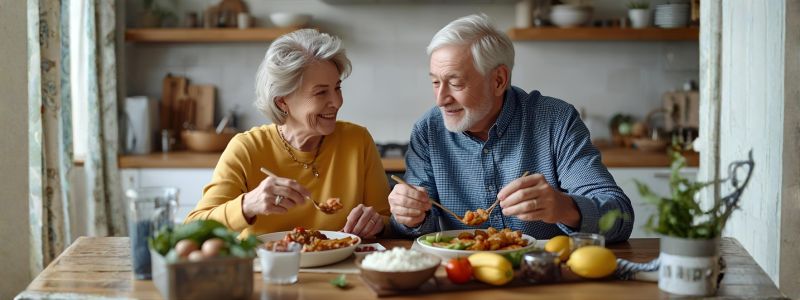
Seniors can boost mental health and cognitive abilities through natural lifestyle changes. This guide outlines daily adjustments in diet, activity, mental stimulation, social connection, and sleep that improve mood, memory, and function. It covers foods, exercise, mental stimulation, emotional support, sleep, caregiver roles, and FAQs.
Brain-Boosting Foods for Seniors
Brain-healthy foods enhance cognition by providing nutrients that reduce inflammation, protect neurons, and support neurotransmitter function. Diets rich in omega-3s, antioxidants, fiber, and B vitamins improve vascular health and neuronal resilience, benefiting memory and executive function.
Foods Supporting Senior Memory and Brain Health
Key foods for senior brain health offer omega-3s, antioxidants, fiber, and micronutrients vital for memory. Fatty fish (salmon) provides EPA/DHA; berries offer polyphenols; leafy greens supply folate/vitamin K; nuts/seeds add vitamin E/healthy fats. Incorporate berries, nuts, and grilled fish twice weekly. Diverse, plant-forward diets achieve similar goals.
- Brain foods: fatty fish, berries, leafy greens, nuts, legumes, whole grains.
- Benefits: anti-inflammatory, antioxidant, vascular support.
- Strategy: consistent small servings.
Families and caregivers can support these swaps.
| Food | Key Nutrient | Cognitive Benefit |
|---|---|---|
| Salmon (fatty fish) | Omega-3 (DHA/EPA) | Supports neuronal membranes and reduces inflammation |
| Blueberries/berries | Polyphenols/antioxidants | Protects synapses and improves microvascular function |
| Leafy greens | Folate, Vitamin K | Supports vascular health and cognitive performance |
MIND and Mediterranean Diets for Cognitive Function
MIND and Mediterranean diets enhance cognition by emphasizing vegetables, whole grains, fish, and healthy oils, while limiting processed foods. Both reduce inflammation and improve vascular function, preserving brain blood flow. MIND highlights berries/leafy greens; Mediterranean includes olive oil/legumes. Adopting elements lowers dementia risk.
MIND Diet’s Impact on Cognitive Function and Neuroprotection in the Elderly
The Mediterranean-DASH Intervention for Neurodegenerative Delay (MIND) diet, a hybrid of the Mediterranean and DASH diets, shows significant potential for maintaining cognitive health and delaying neurodegenerative diseases. Studies link higher adherence to the MIND diet with improved cognitive function and lower dementia incidence. This benefit stems from the anti-inflammatory and antioxidant effects of its key nutritional components, including folate, carotenoids, polyphenols, and polyunsaturated fatty acids, contributing to cognitive improvement in the elderly.
Effect of MIND diet on cognitive function in elderly: a narrative review with emphasis on bioactive food ingredients, G Gang, 2024
- MIND diet focus: berries, leafy greens.
- Mediterranean diet focus: olive oil, legumes, fish.
- Shared features: whole foods, minimal processed.
These diets complement exercise and sleep strategies.
Key Nutrients for Senior Brain Health: Omega-3s and Antioxidants
Key nutrients benefit aging brains: Omega-3s (DHA/EPA) support cell membranes; antioxidants (polyphenols, vitamin E) neutralize free radicals; B vitamins (folate, B12) aid neuronal maintenance. Vitamin D and protein also support brain/muscle health. Caregivers can prioritize consistent intake through meals or services.
- Omega-3s: inflammation, synaptic health.
- Antioxidants: protect neurons.
- B vitamins: cognition.
Physical Activity for Cognitive Function in Older Adults
Physical activity boosts cognition by increasing cerebral blood flow, stimulating neurotrophic factors, and improving mood/sleep. It supports vascular health, reduces inflammation, and fosters neuroplasticity, slowing cognitive decline. Exercise should be tailored to individual mobility and health, integrating with social programs or in-home support.
Aerobic Exercises to Boost Brain Blood Flow
Aerobic activities boost brain blood flow, oxygen, and nutrient delivery. Options include brisk walking, water aerobics, stationary cycling, and low-impact dance. Start moderately, progressing weekly. Adapt with shorter, frequent sessions, ensuring safety (e.g., proper footwear) to minimize fall risk.
- Options: walking, swimming, cycling, dance.
- Intensity: moderate, conversational.
- Goal: frequent, short sessions.
| Exercise Type | Mechanism | Suggested Frequency |
|---|---|---|
| Brisk walking | Increases blood flow and oxygen delivery | 3–5 times/week, 20–40 minutes |
| Water aerobics | Low-impact cardiovascular training, joint-friendly | 2–3 times/week, 20–45 minutes |
| Stationary cycling | Sustained moderate intensity with low fall risk | 2–4 times/week, 20–30 minutes |
Strength, Balance, and Flexibility for Mental Health
Resistance training and balance aid cognition by preserving muscle, improving metabolic health, and engaging motor-cognitive circuits. Strength boosts function; tai chi combines movement/attention. Flexibility improves mobility, facilitating social/physical activities, enhancing independence and confidence. This complements aerobic activity and is adaptable to home/community.
- Strength: muscle, brain health.
- Balance (tai chi): coordination, cognitive-motor.
- Flexibility: comfort, activity.
Exercise Improves Mood and Reduces Cognitive Decline
Exercise enhances mood (endorphins, reduced inflammation, improved sleep), leading to better cognitive performance. Regular activity lowers depression and slows decline; group exercise adds social benefits. Enjoyable activities increase adherence, amplifying mood and cognitive benefits. Families can connect seniors to local/in-home support for routines.
- Reduces depression/anxiety.
- Group exercise boosts motivation/stimulation.
- Combined aerobic/resistance offers best cognitive protection.
Effective Brain Exercises and Mental Stimulation
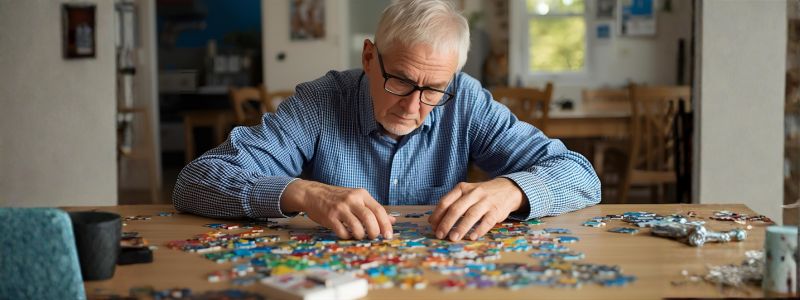
Mental stimulation strengthens cognitive domains by promoting neuroplasticity, improving processing speed, and bolstering working memory. Activities combining cognitive demand with social interaction or motor activity offer strongest benefits, including puzzles, cognitive training, and learning new skills. Regular mental exercise builds resilience.
Puzzles, Games, and Brain Challenges for Cognitive Abilities
Puzzles and games target cognitive skills: crosswords (verbal retrieval), Sudoku (reasoning), card games (working memory), and strategy games (planning). Digital or paper options offer adaptive difficulty. Regular practice (short weekly sessions) maintains cognitive gains; increasing complexity sustains challenge. Social play adds emotional/motivational benefits. These activities are low-cost, accessible, and adaptable.
- Game types: crosswords, Sudoku, card games, strategy.
- Frequency: short, multiple weekly sessions, progressive.
- Social play: motivation/complexity.
Learning New Skills and Hobbies for Senior Brain Health
Learning new skills engages attention, memory, and executive control, driving brain change through novelty/repetition. Multisensory hobbies (music, painting, language, dance) strengthen neural networks. Start with brief, regular practice and achievable milestones. These activities build confidence, increase social opportunities, and improve mood/cognition, complementing brain-healthy diets and exercise.
- Choose multisensory hobbies.
- Start with short, regular practice.
- Set realistic milestones.
Emotional Well-being and Social Connection for Senior Mental Health
Emotional well-being and social connection protect cognition by reducing stress, buffering depression, and providing cognitive engagement. Social interaction improves mood, encourages activity, and stimulates memory/language. Mindfulness and stress reduction lower physiological stress responses, making these strategies essential for senior mental health.
Social Engagement Combats Loneliness and Anxiety
Social engagement mitigates isolation risks (depression, cognitive decline, physical deterioration) by offering emotional support and cognitive stimulation. Regular contact (clubs, volunteering, intergenerational activities) keeps skills active, providing purpose. For those with limitations, facilitated transport or small-group programs maintain engagement. Families/caregivers should schedule tailored social opportunities, as meaningful social contact stabilizes mood and motivates brain-health practices.
- Isolation risks: depression, cognitive decline.
- Activities: volunteering, clubs, classes, intergenerational.
- Facilitation: match interests, transport/digital access.
Mindfulness and Stress Reduction Techniques
Mindfulness reduces chronic stress, which impairs memory/executive function, by teaching focused attention and emotion regulation. Accessible techniques include short breathing exercises, guided meditations, and progressive muscle relaxation. Tai chi/mindful walking combine movement with attention for balance/stress reduction. Caregivers can introduce brief, structured sessions using recorded guides, as regular practice improves emotion regulation, sleep, and cognitive capacity.
- Breathing exercises: 3–5 minutes daily.
- Guided meditations: 5–10 minutes for anxiety/attention.
- Mindful movement: tai chi/slow walking for balance/focus.
Quality Sleep and Cognitive Health in Seniors
Quality sleep is vital for memory consolidation, toxin clearance, and emotional regulation, crucial for cognitive abilities. Poor sleep and disorders increase memory impairment/mood disturbance risks. Seniors should prioritize consistent schedules, a conducive environment, and behavioral strategies, as addressing sleep enhances diet, exercise, and cognitive training impact.
Healthy Sleep Habits for Senior Brain Function
Healthy sleep habits involve consistent bedtimes/wake times, a dark, cool, quiet bedroom, and avoiding evening stimulants/heavy meals. Daytime activity/light exposure synchronize circadian rhythms; limit naps to short early-afternoon rests. Pre-sleep routines (reading, stretching, warm beverage) signal relaxation. Families can assist by maintaining routines and optimizing environments, as improved sleep enhances memory consolidation, mood, and cognitive function.
- Sleep hygiene: consistent schedule, bedroom, limited evening stimulants.
- Daytime: activity, sunlight, brief naps.
- Pre-sleep: calming activities.
Sleep Disturbances and Their Impact on Memory and Mental Health
Chronic insomnia, fragmented sleep, and untreated sleep apnea impair attention, memory, and emotional regulation, accelerating functional decline. Disturbances also raise inflammatory markers/cardiovascular risk, negatively impacting cognition. Warning signs include daytime sleepiness, loud snoring, frequent awakenings, and worsening memory. Clinical evaluation is crucial to identify treatable causes, as timely evaluation/management preserves cognitive resources and daily functioning.
- Sleep problems: higher cognitive decline/depression.
- Warning signs: daytime sleepiness, snoring, frequent awakenings.
- Next steps: clinician for screening/treatment.
Family and Caregiver Support for Senior Brain Health
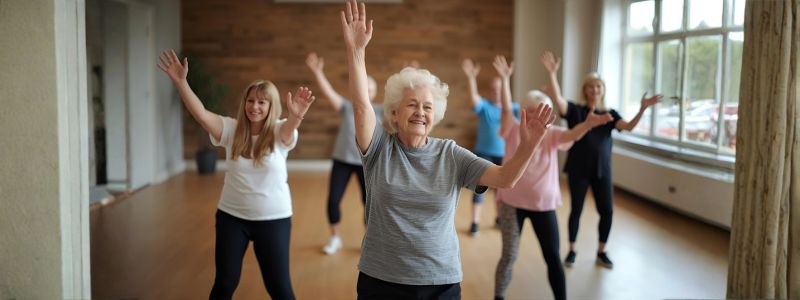
Families and caregivers are pivotal in assessing needs, tailoring interventions, and maintaining brain-healthy habits. A needs checklist (mobility, appetite, cognition, social interests, safety) guides personalized plans. Caregivers support meal planning, exercise, mental stimulation, and social facilitation, with vetted home care/community programs offering additional support for routines.
Personalized Recommendations for Lifestyle Changes
Tailored recommendations begin with assessing physical ability, dietary preferences, cognitive status, and social interests. Examples include seated tai chi for limited mobility or nutrient-dense snacks for appetite loss. Personalization ensures safety (gradual exercise, assistive devices), boosting adherence and improving mood/cognition.
- Assessment: mobility, nutrition, cognition, mood, social.
- Examples: seated exercise, fortified meals, social hobbies.
- Safety: gradual progression, supervision, adaptive equipment.
Home Care Support for Nutrition, Exercise, and Mental Stimulation
Home care/community programs assist with meal prep, grocery shopping, guided exercise, and structured cognitive activities, ensuring consistency and safety. Tasks include preparing brain-healthy meals, accompanying walks, facilitating games, and arranging social transport. These services reduce family burden, enabling seniors to maintain routines. Prioritize providers offering tailored programming and senior wellness experience. Age Well Now connects families with local home care/community programs.
- Home-care roles: meal prep, exercise, engagement, transport.
- Examples: guided walks, grocery, in-home games, social visits.
- Benefit: consistent behaviors, reduced caregiver stress.
Best Foods for Preventing Dementia and Memory Loss
Foods linked to reduced dementia risk include fatty fish (omega-3s), berries (polyphenols), leafy greens (vitamins/folate), nuts (vitamin E), and legumes/whole grains (metabolic health). These offer anti-inflammatory/antioxidant properties, protecting neurons and vascular health. Emphasize plant-forward meals, two fish servings weekly, and whole grains, as consistent dietary patterns provide the strongest protection.
- Top groups: fatty fish, berries, leafy greens, nuts, legumes, whole grains.
- Rationale: anti-inflammatory, antioxidant, brain/vascular health.
- Meal idea: vegetable-forward, fish, nuts.
Recommended Brain-Boosting Activities for Seniors
Greatest gains come from a combined approach: aerobic exercise, strength work, balance/flexibility, daily cognitive challenges (puzzles/learning), social engagement, and sleep optimization. Start with achievable steps (short walks, single puzzles, hobby class) and build frequency/complexity. Group activities/home-care support improve adherence and social stimulation, as a balanced weekly plan strengthens mental health and cognition.
- Physical: walking, resistance, tai chi.
- Cognitive: crosswords, strategy games, new skills.
- Social/Emotional: clubs, volunteering, mindfulness.
| Activity | Target | Practical Starting Step |
|---|---|---|
| Aerobic exercise | 150 min/week moderate | 10–15 min brisk walk daily, build up |
| Strength training | 2 sessions/week | Chair squats, resistance bands 2×/week |
| Cognitive challenge | Daily or 5×/week | 10–20 min puzzle or language app |
Frequently Asked Questions (FAQs)
What are the exercise requirements for cognitive benefits in seniors?
Seniors benefit from approximately 150 minutes of moderate aerobic activity weekly, complemented by two strength training sessions and regular balance and flexibility exercises. Adapt activities to individual abilities and consult a professional for medical conditions.
- Target: ~150 minutes of aerobic activity + strength training 2 times/week.
- Adaptation: Opt for shorter, more frequent sessions.
- Safety: Always consult clinicians for personalized advice.
Can cognitive decline be reversed naturally?
While complete reversal of neurodegenerative disease is uncommon, prevention, slowing decline, and functional improvements are highly achievable through multi-domain lifestyle changes and appropriate medical care. Combine lifestyle interventions with a thorough medical assessment, especially for reversible causes.
- Expectation: Prevention and slowing of decline are well-supported; full reversal is rare.
- Action: Integrate lifestyle changes with medical evaluation.
- Next Step: Consult a clinician for any new or worsening symptoms.
What are the best foods for preventing dementia and memory loss?
Foods linked to reduced dementia risk include fatty fish (omega-3s), berries (polyphenols), leafy greens (vitamins/folate), nuts (vitamin E), and legumes/whole grains. These offer anti-inflammatory and antioxidant properties. Consistent dietary patterns like the MIND or Mediterranean diets provide strong protection.
- Top Food Groups: Fatty fish, berries, leafy greens, nuts, legumes, whole grains.
- Rationale: Anti-inflammatory, antioxidant, and beneficial for brain and vascular health.
- Meal Idea: Focus on vegetable-forward dishes, include fish, and snack on nuts.
What are the recommended brain-boosting activities for seniors?
The greatest cognitive gains come from a combined approach: aerobic exercise, strength training, balance/flexibility, daily cognitive challenges (puzzles, new skills), active social engagement, and optimized sleep. Start with achievable steps and gradually build frequency and complexity. Group activities and home-care support can improve adherence.
- Physical Activities: Brisk walking, resistance training, Tai Chi.
- Cognitive Challenges: Crosswords, strategy games, learning a new language or skill.
- Social/Emotional Well-being: Joining clubs, volunteering, practicing mindfulness.
- Practical Starting Steps:
- Aerobic Exercise: 10–15 minutes of brisk walking daily, gradually increasing duration.
- Strength Training: Chair squats or resistance band exercises 2 times/week.
- Cognitive Challenge: 10–20 minutes with a puzzle or language learning app daily or 5 times/week.
Final Thoughts
Boosting senior mental health and cognitive abilities is a multifaceted journey through consistent lifestyle changes. Integrating brain-healthy nutrition, physical activity, mental stimulation, social connections, and quality sleep enhances mood, memory, and brain resilience. Families and caregivers are crucial in supporting these efforts, empowering older adults to live vibrant, cognitively active lives.