

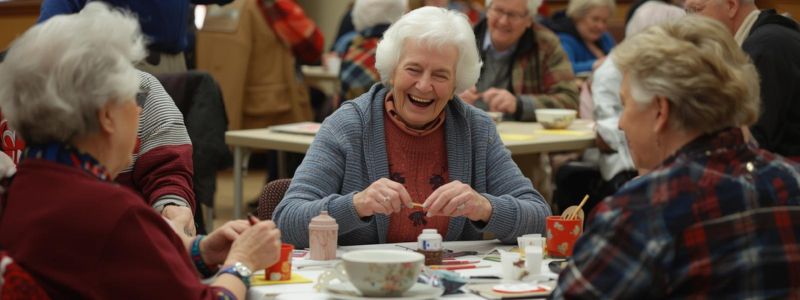
Lifelong learning for seniors involves engaging in activities that challenge the mind and expand knowledge. This article explores how social activities drive cognitive stimulation, emotional well-being, and functional resilience. Many older adults face reduced interaction, risking social isolation and cognitive stagnation. Combining structured learning, purposeful activities, and social contact can reverse these trends. We’ll review benefits of lifelong learning for seniors, explain how lifelong learning promotes brain health, list practical activities, describe how home care enables participation, and provide caregiver strategies.
Key Benefits of Social Activities for Seniors
Social activities offer measurable gains across cognitive, emotional, and physical domains. Regular engagement enhances memory, attention, and executive function; reduces loneliness; and supports mobility. Recent studies (2020-2023) link sustained social participation to lower cognitive decline and improved quality of life. Key benefits include:
- Cognitive Enhancement: Social interaction stimulates memory, attention, and problem-solving.
- Emotional Resilience: Connection reduces loneliness, supports mood, and fosters purpose.
- Physical Functioning: Group movement promotes mobility, balance, and sleep.
- Longevity & Health: Social ties encourage healthy routines and preventive care.
These benefits overlap, and understanding their mechanisms helps select targeted activities.
Different activities support cognition through distinct mechanisms. The table below compares categories by their primary cognitive mechanism and expected benefit.
| Activity Type | Cognitive Mechanism | Expected Benefit |
|---|---|---|
| Structured learning (classes, language) | Deliberate practice, working memory load | Improved executive function and processing speed |
| Social discussion groups (book clubs, forums) | Semantic retrieval and contextual thinking | Enhanced verbal memory and attention |
| Creative arts (painting, music) | Multi-sensory integration and novel problem-solving | Boosted episodic memory and mood |
| Physical-social activities (dance, group walks) | Motor-cognitive coupling and aerobic effects | Better executive control and mobility |
| Volunteer/intergenerational programs | Purpose-driven tasks and perspective-taking | Increased motivation and social identity |
This comparison helps caregivers match activities to desired outcomes.
Social Engagement and Cognitive Health Interrelation
Social engagement supports cognitive health by stimulating neural circuits, encouraging synaptic maintenance and neuroplasticity. Cognitive reserve grows through mentally demanding social interactions. Recent analyses (2019-2023) show seniors with diverse social networks and regular group activity have higher executive function and slower decline. Activities combining social interaction and cognitive challenge offer stronger protective effects.
These neural mechanisms lead to epidemiological evidence on risk reduction.
Social Activities Prevent Cognitive Decline and Dementia
Consistent social participation significantly reduces dementia risk through stress-buffering, increased cognitive load, and routine. Some studies report 20–30% risk reductions for highly engaged individuals. Social activity is most effective as part of a broader program including physical activity and medical care. Caregivers should prioritize regular, varied social stimulation for dementia risk reduction.
Lifelong Learning Enhances Mental Stimulation and Well-being
Lifelong learning involves ongoing, intentional educational activities that challenge cognitive systems and foster growth. It enhances mental stimulation by engaging working memory, attention, and problem-solving, strengthening neural pathways. Structured learning also provides social contexts, identity renewal, and purpose, reducing depressive symptoms. Recent evaluations show retirees in classes report greater life satisfaction and cognitive improvements. This section details cognitive benefits and how social learning amplifies emotional resilience.
Lifelong learning affects multiple cognitive domains and daily life in concrete ways.
- Working Memory: New material requires information manipulation.
- Processing Speed: Practice increases information handling speed.
- Executive Function: Planning, multitasking, and inhibition improve with complex tasks.
- Verbal Memory & Language: Language learning and discussion reinforce semantic networks.
Lifelong Learning Benefits for Cognitive Function
Learning new skills (e.g., language, digital literacy) targets cognitive domains and builds reserve through practice. Research shows targeted interventions improve memory, attention, and executive control. Language learning, for example, boosts verbal fluency and working memory. These gains make lifelong learning a practical strategy for cognitive health.
Continuous Learning Improves Emotional and Social Health
Continuous learning builds social networks by placing older adults in group settings, fostering connection and shared goals. This enhances confidence, identity, and emotional resilience. Programs combining skill-building with social interaction (e.g., intergenerational tech tutoring) reduce loneliness and improve mood. Emotional benefits encourage sustained cognitive activities.
At-Home Activities for Senior Mental Stimulation & Social Engagement
At-home and nearby activities combine learning, creativity, and social contact for cognitive and emotional benefits. Categories include educational, creative, social, physical-social, and tech-enabled activities. Caregivers should embed these into weekly schedules. Below are practical activities and a table showing required support and steps.
Practical at-home activity ideas include the following options tailored for different needs and preferences:
- Book club: Weekly discussions and memory recall.
- Creative workshops: Short projects promoting planning and fine motor skills.
- Game-based cognition: Daily sessions to stimulate executive function.
- Virtual classes: Regular lessons with peer interaction and instructor feedback.
These can be adapted for sensory and mobility limitations.
The table below compares common at-home activities by the support they typically need and practical steps to begin.
| Activity | Required Support | Practical Steps |
|---|---|---|
| Book Club | Companion or tech support | Weekly reading schedule, discussion prompts, short summaries |
| Language Course | Tech setup, tutor or class enrollment | Enroll in beginner course, 2–3 practice sessions weekly, conversation partner |
| Art Workshop | Material prep, adaptive tools | Select short projects, provide large-print instructions, schedule group critique |
| Group Exercise | Mobility adaptations, instructor access | Chair-based classes, 30-minute sessions thrice weekly, warm-up and cool-down routine |
Practical Social Activities for Senior Brain Health
Brain health activities should be frequent, varied, and social. Options include book clubs, puzzle groups, volunteer tasks, intergenerational projects, and creative challenges. Adaptations for hearing, vision, or mobility ensure inclusion. Recommended frequency: 30–60 minutes, 3–5 times weekly, balancing challenge with energy.
Online Learning & Community Programs for Senior Engagement
Virtual platforms and community programs expand learning, offering structured curricula, peer groups, and instructor feedback. Online formats include MOOCs, webinars, and virtual workshops. Tech setup tips: simplified interfaces, pre-configured links, and practice calls. Accessibility (captioning, font sizes) ensures inclusion. Home care can provide tech support, making virtual learning sustainable for social and cognitive engagement.
Combating Senior Isolation: Tech & Intergenerational Programs
Social isolation and loneliness are growing public health concerns among older adults, linked to increased risks of depression, cognitive decline, cardiovascular disease, and early mortality. This narrative review summarizes recent evidence on the ability of digital communication tools, social media, and virtual group activities to foster social connectedness and mental well-being, while also noting persistent barriers such as low digital literacy, lack of confidence, and limited access.
How can technology and intergenerational youth programs combat social isolation and loneliness in older individuals?, 2025
For virtual sessions, here are quick tech-support steps:
- Ensure reliable internet and simple device setup.
- Offer a demo call before the first class.
- Use platforms with large controls and captioning.
- Pair seniors with a practice partner.
These steps reduce friction, making virtual programs a regular, meaningful part of a senior’s routine.
Home Care Facilitates Social Activities & Lifelong Learning
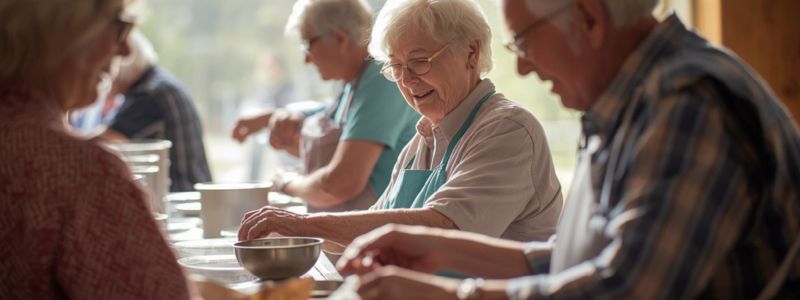
Home care roles include scheduled companionship, transportation, and in-home tech facilitation. Companionship encourages adherence and social reinforcement; transportation removes logistic barriers. Tech coaching helps seniors join online classes. Services work best when personalized to individual interests, energy, and mobility.
Home care services remove practical barriers like transportation, tech setup, and companionship, enabling consistent participation. By providing hands-on support, home care helps seniors access more cognitive stimulation.
The list below summarizes typical home care contributions to sustained social learning:
- Consistent companionship for classes or discussions.
- Reliable transportation to community events.
- Technology support for virtual course access.
- Activity facilitation and materials prep to lower barriers.
Companionship Enhances Senior Social Interaction
Companionship services provide structured social contact, catalyzing engagement in group activities. Companions initiate conversations, remind of schedules, and encourage participation, reducing dropout. Outcomes include reduced isolation, improved mood, and higher attendance. For example, a companion driving a senior to a book club removes logistic barriers, increasing intellectual participation and social bonds.
Home Care Supports Transportation & Virtual Engagement
Home care teams plan transportation, ensuring safe, comfortable trips. Virtual engagement support includes device setup, account assistance, and in-session coaching. Transportation checklists cover mobility aids, medication, and timing. For virtual sessions, preparatory steps (charging, updates) reduce technical failures. Safety and accessibility include door-to-door assistance, accessible vehicles, and caregiver presence for initial sessions. These supports increase seniors’ access to diverse programs, boosting cognitive stimulation and social connection.
Caregiver Strategies for Senior Participation
Caregivers can boost participation by identifying interests, reducing friction, and co-designing activities that respect autonomy and energy. Start with an assessment to uncover hobbies. Trial low-risk activities, set modest frequency goals, and build routines. Delegating transportation or companionship to home care is an important option. Below are concrete strategies.
Key practical strategies include:
- Interest mapping: Ask questions to reveal meaningful topics and past roles.
- Low-barrier trials: Introduce short (20–30 min) sessions to test engagement.
- Routine building: Schedule activities consistently to form habits.
- Delegation: Use home care for logistics and tech help.
Identifying Interests to Promote Engagement
Identifying interests starts with open-ended questions and observation: ask about memorable life events, pastimes, and topics that spark conversation. Use an interest checklist to guide trials. Trial activities should be brief, with clear invitations to stop if energy or enjoyment is low. Collect feedback and adapt. This collaborative approach increases buy-in and uncovers meaningful activities.
Balancing Caregiving with Lifelong Learning
Balancing caregiving with lifelong learning requires realistic planning, delegation, and caregiver well-being. Schedule activities and allocate facilitation time, then identify tasks for home care (transportation, tech assistance). Use short, consistent sessions to limit time burdens. Caregivers should also practice self-care. When home care handles logistics, caregivers can focus on emotional encouragement and shared participation.
A brief checklist for delegation:
- Prioritize activities with minimal daily setup.
- Delegate transportation and tech setup if time-consuming.
- Use companions to sustain social momentum when caregiver availability is limited.
For practical planning, caregivers can coordinate with a home care provider to set a weekly engagement schedule, define roles, and monitor participation.
The table below summarizes how supports map to activity types and expected outcomes.
| Support Type | Typical Tasks | Expected Impact |
|---|---|---|
| Companionship | Attend classes, lead discussions, reminders | Higher attendance and social reinforcement |
| Transportation | Door-to-door rides, mobility assistance | Increased access to community programs |
| Technology Support | Device setup, account help, session coaching | Expanded virtual participation |
| Activity Facilitation | Materials prep, scheduling, adaptations | Lower friction and sustained routine |
- Plan roles: Define caregiver and delegated tasks.
- Set measurable goals: Track weekly participation and mood.
- Review and adapt: Adjust activities and supports monthly based on feedback.
These steps ensure delegated support complements caregiver efforts and amplifies outcomes.
Frequently Asked Questions
What is lifelong learning for seniors?
It’s sustained, intentional engagement in activities that challenge the mind, expand knowledge, and reinforce social roles. It includes formal education, skill-building, and social interactions promoting cognitive stimulation and personal growth.
How do social activities benefit senior brain health?
Social activities offer mental challenge, reinforcement, and routine. They enhance memory, attention, and executive function through stimulation. Complex interactions load neural circuits, encouraging synaptic maintenance and neuroplasticity, building cognitive reserve and reducing cognitive decline risk.
Can home care services really help with social engagement?
Yes. Home care removes barriers like transportation, tech setup, and lack of companionship. Caregivers provide scheduled companionship, coordinate transportation, and offer in-home tech support for virtual learning, significantly increasing a senior’s access to social and learning opportunities.
What are some easy ways for caregivers to encourage participation?
Caregivers can identify interests through questions and observation. Introduce low-barrier trial activities (20-30 minutes) and build routines. Delegating tasks like transportation or tech assistance to home care can also free up caregiver time and reduce friction.
Are virtual activities effective for seniors?
Yes, virtual platforms and online programs are highly effective, expanding learning beyond physical constraints. They offer structured curricula, peer groups, and instructor feedback. With proper tech setup and support (often from home care), virtual activities mitigate social isolation and provide cognitive stimulation.
Conclusion
Evidence overwhelmingly supports the profound impact of social activities and lifelong learning on older adults’ well-being. Sustained engagement offers multifaceted benefits, from enhancing cognitive function and emotional resilience to improving physical health and reducing dementia risk. Caregivers are pivotal in identifying interests and fostering participation, while home care services remove practical barriers. By integrating purposeful activities and social connections, we empower seniors to lead richer, more stimulating lives, preserving independence and dignity. Prioritizing these strategies ensures a vibrant and engaged later life.