

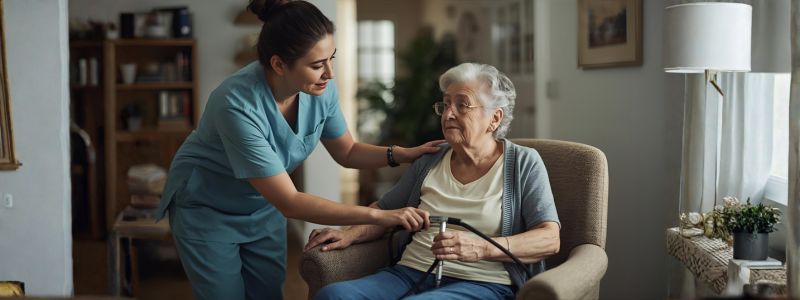
Home care safety training for caregivers teaches practical skills and risk-reduction strategies that protect both seniors and the people who care for them. This guide explains what effective caregiver safety training covers, why it matters for preventing falls, infection, medication errors, and caregiver injury, and how to apply training-based techniques in everyday home care.
Many family and professional caregivers seek caregiver safety training because clear procedures, simple tools, and practiced techniques reduce avoidable harm and improve outcomes for older adults. This article maps the core pillars of home care safety training — foundational safety principles, fall prevention, infection control, safe patient handling, emergency preparedness, and medication management — and provides practical how-to steps, checklists, device comparisons, and training resource guidance.
Readers will find actionable lists, EAV comparison tables for devices and disinfectants, and curated advice for next steps so caregivers can prioritize safety, reduce stress, and find the right training and planning tools for their situation.
Key Safety Principles for Home Caregivers
Home care safety principles are the foundational rules that shape every practical action a caregiver takes, focusing on risk assessment, prevention, monitoring, communication, and self-care. These principles work by identifying hazards, applying standardized controls, and maintaining clear documentation to reduce incidents and support continuity of care. The specific benefit is predictable safety: fewer falls, lower infection risk, fewer medication errors, and reduced caregiver injury. Below we outline immediate takeaways and an at-a-glance checklist caregivers can use during daily visits and routine care tasks.
The 5 Basics of Caregiver Safety
Caregiver safety basics are immediate, repeatable actions that reduce harm during home care.
- Practice safe body mechanics: position feet, bend knees, and keep the load close to reduce back strain.
- Scan the home for hazards such as loose rugs, cluttered walkways, and poor lighting and remove or mitigate them before assisting a senior.
- Communicate clearly with the care recipient and any family members about needs, preferences, and safety concerns so everyone understands what will happen.
- Use basic infection control practices like hand hygiene and surface cleaning to prevent transmission.
- Prioritize caregiver self-care, including scheduled breaks and stress-management practices, to sustain attention and reduce mistakes.
These five basics form the practical core of every training module because they address immediate risk and set the stage for more advanced interventions. The next subsection explains how formal safety protocols amplify these basics for measurable protection.
How Safety Protocols Protect Seniors and Caregivers
Formal safety protocols are standardized procedures—such as hand hygiene, PPE use, and transfer techniques—that translate everyday actions into consistent protective steps. Protocols work by reducing variability in care, which decreases errors and prevents transmission of infections and physical injuries.
When caregivers follow protocols, seniors experience fewer complications like pressure injuries, falls, or infections, and caregivers report fewer musculoskeletal complaints. Protocols often reference authoritative standards from occupational safety and public health bodies to ensure evidence-based practices.
Understanding protocols leads naturally to the role of caregiver mental health as a safety factor, because stress and fatigue can undermine protocol adherence and decision-making during care.
The Importance of Caregiver Stress Management for Safety
Caregiver stress management is a safety-critical practice because chronic stress impairs attention, slows reaction time, and increases the risk of mistakes during tasks like medication administration and transfers. Common stressors include long shifts, emotional burden, and sleep disruption; managing these reduces errors and improves quality of care.
Simple strategies such as scheduled breaks, brief stretching routines, peer support, and basic mindfulness techniques can lower acute stress and restore focus. Organizations that integrate caregiver well-being into training see better adherence to safety protocols and lower injury rates.
Reducing stress also improves physical safety by preserving strength and coordination, which connects directly to fall-prevention and safe handling techniques covered next.
Preventing Falls and Injuries in Elderly Home Care
Fall prevention for seniors combines risk assessment, environmental modification, mobility support, and regular exercise to reduce likelihood and severity of falls. A fall-prevention plan begins with screening for gait instability, vision problems, medication side effects, and home hazards, and then applies targeted interventions such as lighting upgrades, grab bar installation, and mobility aids.
The result is fewer emergency events and sustained independence for older adults. Below are practical strategies, modification priorities, balance exercises, and device comparisons to guide caregiver decisions.
Effective Elderly Fall Prevention Strategies for Caregivers
Effective fall prevention strategies start with an evidence-based risk screen, which identifies factors like recent falls, unsteady gait, or orthostatic hypotension. Once risks are known, caregivers implement layered controls: remove tripping hazards, ensure footwear is non-slip, schedule medication reviews to reduce sedating drugs, and increase supervision during high-risk activities.
Behavior adjustments—such as slowing down transfers, encouraging use of assistive devices, and providing clear lighting at night—also reduce incidents. These steps are practical, immediate, and often low-cost.
Informal caregivers play a crucial role in implementing fall prevention strategies, and understanding best practices is essential for their effectiveness.
Best Practices in Fall Prevention for Informal Caregivers
Best practice in fall prevention: roles of informal caregivers, health care providers and the community. This paper reviews the evidence of research on interventions to reduce falls and injuries. It discusses fall prevention, considering the role of other key stakeholders across the care continuum including informal caregivers, healthcare providers, and the community. Best practice in fall prevention: roles of informal caregivers, health care providers and the community, J Krampe, 2011
How Home Modifications Reduce Fall Risks for Seniors
Home modifications reduce fall risk by addressing environmental contributors like poor traction, unstable handholds, and inadequate lighting that directly lead to slips and trips. Priority modifications include installing grab bars in bathrooms, improving stair and hallway lighting, replacing slippery rugs with non-slip mats, and adding handrails where needed.
When to hire a professional—such as an occupational therapist or contractor—depends on mobility limitations and structural changes; lighter fixes can be DIY while structural work should be assessed by pros. Prioritizing rooms by risk (bathroom, stairs, kitchen) helps caregivers focus limited resources for maximum safety benefit.
| Device | Typical Cost Range | Ease of Install | Recommended Use |
|---|---|---|---|
| Grab bars | Low–Medium | Moderate (requires secure anchoring) | Bathroom transfers and shower support |
| Non-slip mats | Low | Easy (place under rugs or in tub) | Immediate traction improvement on floors and tubs |
| Gait belt | Low | Easy (worn by caregiver) | Assisted transfers and stand-pivot maneuvers |
| Bed alarm | Medium | Moderate (plug-in or wireless) | Alerts for nighttime wandering or unsupervised bed exits |
This EAV-style comparison shows that simple, low-cost devices often yield high safety impact when selected and installed correctly. The next subsection describes mobility exercises that reduce fall risk by improving balance and strength.
Balance and Mobility Exercises to Help Seniors Avoid Falls
Balance and mobility exercises reduce fall risk by improving strength, proprioception, and gait stability; recommended routines include sit-to-stand repetitions, heel-to-toe walking, tandem stance holds, and chair-based leg raises. Start with short sessions two to three times daily and increase repetitions gradually as the senior demonstrates safe control, always supervising and using a stable support if needed.
Referral to a physical therapist is warranted for noticeable gait instability or after a recent fall, as they can prescribe progressive programs and safety modifications. Exercises should be adapted to each individual’s baseline function to minimize risk while maximizing benefit.
- Sit-to-Stand: Practice rising from a chair using leg strength, 8–12 reps.
- Tandem Stance: Hold one foot directly in front of the other for 10–30 seconds.
- Heel-to-Toe Walk: Walk in a straight line placing heel to toe for 10–20 steps.
Regular exercise progression reduces long-term fall risk and complements environmental controls discussed above.
Safety Devices and Tools for Fall Prevention
Safety devices—such as gait belts, grab bars, non-slip mats, transfer chairs, and remote alert systems—provide mechanical support that reduces the physical demands on both caregivers and seniors. Device selection should match the senior’s functional needs, be compatible with home layout, and include caregiver training for safe use.
Maintenance is essential: inspect gait belts for wear, ensure grab bars remain securely anchored, and test alarm batteries regularly. For caregivers seeking structured training on device use and fall-prevention techniques, Age Well Now curates partner course listings and practical resources that include Online Courses and Training Modules to help families learn proper use of assistive devices.
Choosing the right device and learning correct use prevents misuse injuries and enhances confidence during transfers, which leads into infection-control practices next.
Essential Infection Control Practices for Home Caregivers
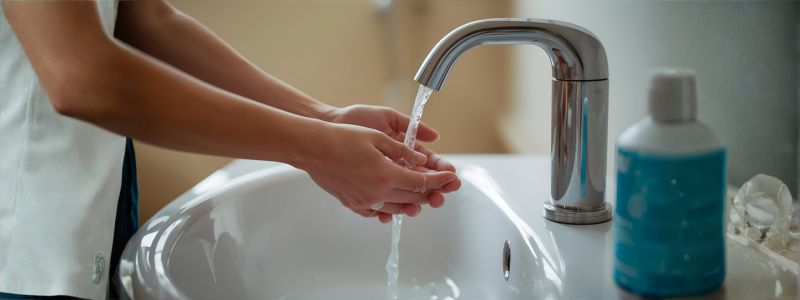
Infection control for home caregivers is a set of practices—hand hygiene, targeted surface disinfection, appropriate PPE use, and safe waste handling—that prevent pathogen transmission between caregivers and seniors. These practices work by interrupting transmission pathways for respiratory and contact-spread infections, thereby lowering infection rates and protecting vulnerable immune systems. Implementing clear routines and selecting proper disinfectants and PPE are practical steps caregivers can use to keep homes safe.
How Proper Hand Hygiene Protects Seniors and Caregivers
Proper hand hygiene removes or inactivates pathogens on hands before they transfer to vulnerable seniors, medical devices, food, or surfaces. The best practice combines soap-and-water washing for at least 20 seconds when hands are visibly soiled and alcohol-based hand sanitizer with at least 60% alcohol when hands are not visibly dirty.
Key moments for hand hygiene include before and after contact with the care recipient, before preparing medication or food, and after handling waste or soiled linens. Consistent hand hygiene reduces transmission of respiratory and gastrointestinal infections, making it one of the most effective, low-cost interventions in home care.
Implementing a simple hand hygiene routine supports disinfection protocols for common surfaces, which is discussed next.
Essential Disinfection Protocols in Home Care Settings
Essential disinfection protocols identify high-touch surfaces and apply appropriate cleaning solutions and contact times to inactivate pathogens effectively. High-touch areas include doorknobs, light switches, bed rails, remote controls, and bathroom fixtures; these should be cleaned daily and disinfected when contamination is suspected. Recommended solutions include household bleach dilutions for non-porous surfaces and EPA-registered disinfectants where available; follow manufacturer contact times for effectiveness. Caregivers must balance efficacy with senior sensitivities by using milder options in poorly ventilated spaces or for individuals with respiratory issues.
| Disinfectant | Use Case | Key Attribute |
|---|---|---|
| 1:10 bleach solution | Hard, non-porous surfaces | High efficacy; requires correct dilution and contact time |
| Alcohol-based sanitizer (>=60% alcohol) | Hands and small devices | Rapid action; flammable—avoid open flames |
| EPA-registered disinfectant wipes | Quick surface disinfection | Convenient; follow label contact time |
| Mild soap and water | General cleaning and visible soil | Safe for frequent use; not a disinfectant for pathogens |
This EAV-style comparison clarifies trade-offs between potency, safety, and practicality. Proper disinfectant selection guides appropriate PPE use, which the next subsection covers.
When and How to Use Personal Protective Equipment
PPE use in home care is situation-dependent: gloves for contact with bodily fluids, masks for respiratory symptoms or procedures generating droplets, and eye protection if splashes are possible. Decision criteria include the care recipient’s symptoms, procedure risk, and community transmission levels; when in doubt, apply a precautionary approach and use gloves and a mask for care involving exposure risk.
Correct donning and doffing—putting on and taking off PPE without contaminating skin or clothing—is essential and should be practiced in training; dispose of single-use items safely and launder reusable items separately. Using appropriate PPE reduces caregiver and senior exposure to infectious agents and complements hand hygiene and cleaning routines.
Managing Biohazard Waste Safely at Home
Managing biohazard waste at home means separating sharps and contaminated materials, using puncture-resistant containers for needles, and following local rules for disposal. Store sharps in FDA-compliant containers and label them clearly while keeping them out of reach of children and pets.
For non-sharp contaminated materials, use sealed bags and follow local guidance for pickup or drop-off locations; never dispose of sharps in household trash without the proper container. Caregivers should consult local health authorities for legal disposal options and document disposal actions to maintain clear records.
Safe waste handling reduces accidental exposures and supports community safety, which transitions into techniques to prevent caregiver injuries during handling and transfers.
Safe Patient Handling Techniques to Prevent Caregiver Injuries
Safe patient handling techniques include body mechanics, transfer aids, and team-based approaches that minimize musculoskeletal strain while moving or assisting seniors. These techniques work by redistributing load, using mechanical advantage, and reducing manual lifting to lower injury risk for caregivers and improve comfort and safety for care recipients.
Training in recognized transfer methods, proper device use, and when to request assistance are core elements caregivers should practice regularly. Understanding and implementing safe patient handling techniques is paramount for preventing injuries to both caregivers and those they assist.
Illustrated Guide to Safe Patient Handling for Caregivers
The illustrated guide to safe patient handling and movement is to describe new techniques and technologies designed to reduce caregiver risk and improve safety for patients and caregivers. Rather than present a generic approach to safe patient handling, this guide focuses on specific techniques and technologies. The illustrated guide to safe patient handling and movement, NN Menzel, 2009
Performing Safe Lifting and Transfer Techniques
Safe lifting and transfer techniques begin with assessing the task, positioning the care recipient, and ensuring a stable base of support for the caregiver. Use a stepwise approach: explain the plan to the senior, lock brakes on chairs/wheelchairs, bring the load close, maintain a neutral spine, and use the legs to lift rather than the back.
For stand-to-sit or bed-to-chair transfers, use pivot or squat methods and employ a gait belt when appropriate to provide secure handholds; when a resident cannot bear weight or is large, request a two-person transfer or mechanical lift. Practicing these steps under supervision and reinforcing them through Training Modules reduces error and injury.
Specialized training, particularly using simulation, can significantly enhance a caregiver’s ability to perform safe patient handling, especially for lighter individuals.
Simulation Training for Safe Patient Handling in Home Care
Simulation to teach safe patient handling and mobility for home caregivers. Methods: A simulation-based training program was developed to teach safe patient handling and mobility skills to home caregivers. The program focused on teaching techniques for safely transferring patients weighing less than 35 pounds utilizing optimal ergonomics and techniques during manual transfer. Simulation to teach safe patient handling and mobility for home caregivers, 2020
Best Practices for Using Mobility Aids Safely
Best practices for mobility aids include selecting the device based on functional need, adjusting the aid to fit the user, and inspecting equipment before each use. Walkers and canes must be set to the correct height, wheels and brakes tested, and wheelchairs should have functioning footrests and locked casters during transfers. Caregivers should teach seniors how to use devices correctly and ensure that pathways are clear to prevent misuse. Regular maintenance and timely replacement of worn components sustain device safety and effectiveness.
Preventing Musculoskeletal Injuries and Back Strain
Preventing musculoskeletal injuries combines safe work practices, ergonomic habits, and conditioning to reduce cumulative strain. Caregivers should rotate tasks, avoid prolonged static postures, use assistive devices whenever feasible, and perform brief mobility-preserving exercises and stretches during shifts. Micro-breaks and scheduled pauses reduce fatigue and maintain attention during repetitive tasks such as transfers and meal assistance. When pain or persistent discomfort arises, caregivers should seek occupational health assessment and consider changes to workload, assistive equipment, or task distribution.
Training Resources for Safe Patient Handling
Training resources for safe patient handling include online modules, hands-on workshops, and certification programs that teach correct body mechanics, transfer strategies, and device operation. Key course attributes to look for are hands-on demonstrations, clear learning objectives, evidence-based content, and opportunities for supervised practice; providers such as industry training platforms offer varied formats to meet family caregiver needs. Age Well Now helps families find appropriate training by curating partner provider listings and highlighting Training Modules and Online Courses that emphasize practical demonstrations and certificates where available.
- Assess the situation: Confirm cognition, weight-bearing ability, and environment.
- Prepare the environment: Lock wheels, remove obstacles, and ensure footwear is secure.
- Use appropriate aid: Gait belt, slide sheet, or mechanical lift; request assistance when needed.
- Communicate clearly: Explain steps to the care recipient and coordinate timing.
These steps help prevent immediate errors and reinforce safe handling habits, leading into emergency preparedness planning.
Emergency Preparedness in Home Care Settings

Emergency preparedness in home care includes establishing an emergency contact plan, learning First Aid and CPR, addressing fire safety, and practicing response steps for common events. Preparedness works by enabling faster, organized responses that reduce harm, expedite appropriate medical care, and ensure continuity of treatment after an event. Caregivers who rehearse plans and maintain accessible information can act decisively during crises and reduce secondary complications.
Components of an Emergency Contact Plan for Seniors
An emergency contact plan should list primary and backup contacts, primary care physician information, medication lists with dosages, known allergies, and key medical devices the senior uses. Store the plan both physically (on the refrigerator or in a wallet card) and digitally (in a secure file), and ensure caregivers and family members know where to find it. Include preferred hospital choices, insurance details if available, and instructions regarding advanced directives or power-of-attorney contacts. Review and update the plan after medical changes or medication adjustments.
Learning First Aid and CPR for Home Care
Caregivers can obtain First Aid and CPR certification from recognized providers that cover adult choking, CPR chest compressions and rescue breaths, bleeding control, and recognition of stroke and heart attack symptoms. Training typically includes hands-on practice and assessment, and refresher courses are recommended every one to two years to retain skills. Prioritize courses that include scenarios relevant to older adults, such as syncope, aspiration risk, and managing oxygen equipment. Maintaining certification enhances caregiver confidence and readiness to manage common emergencies.
Fire Safety Precautions for Homes with Elderly Residents
Fire safety for homes with elderly residents prioritizes smoke alarm installation and testing, clear escape routes, and accommodations for limited mobility during evacuation. Place interconnected smoke alarms on each level, test them monthly, and change batteries per manufacturer guidance. Create evacuation plans that consider the senior’s mobility limitations, rehearse slow-paced drills, and identify a primary meeting place outside the home. For homes with oxygen or electrical medical devices, follow specific safety precautions to reduce ignition risk and store equipment away from heat sources.
Responding to Common Home Care Emergencies Effectively
Responding to common emergencies—such as falls, chest pain, choking, or sudden deterioration—requires a calm, prioritized approach: ensure scene safety, assess responsiveness and breathing, call emergency services when indicated, and begin appropriate First Aid measures. After immediate care, document the event, notify the primary care provider, and schedule follow-up evaluations to prevent recurrence. Knowing when to call 911 versus contacting a primary clinician depends on severity: life-threatening signs demand emergency services, while minor changes may be triaged through the PCP. Clear documentation supports continuity of care and legal protection for caregivers.
Best Practices for Medication Management Safety in Home Care
Medication management safety prevents errors through careful reconciliation, secure storage, clear labeling, and close communication with prescribers and pharmacies. These practices reduce adverse drug events, missed doses, and harmful interactions for older adults who commonly take multiple medications. Implementing checklists, using organizers, and scheduling regular medication reviews are practical steps caregivers can apply immediately to improve medication safety.
Preventing Medication Errors for Seniors
Preventing medication errors starts with a medication reconciliation process that lists each drug, dose, timing, and indication, and matches that list against current prescriptions and OTC products. Use a double-check system: verify the label, dose, and timing before administration, and document each dose given. Employ pill organizers, alarm reminders, or blister packs to reduce missed or duplicate dosing and involve pharmacists in periodic reviews for interactions. Clear communication with prescribers about side effects and monitoring plans helps identify problems early.
Safe Medication Storage Guidelines at Home
Safe medication storage means keeping drugs in original labeled containers when possible, storing them in a cool, dry location away from children and pets, and following refrigeration instructions when required. Controlled substances should be secured in locked containers and counted regularly to detect discrepancies. Remove expired medications and use safe disposal programs to prevent accidental ingestion and diversion. Maintaining a central medication log ensures caregivers and family members have access to up-to-date information for safe administration.
Understanding and Managing Senior Prescriptions
Understanding and managing prescriptions involves reading labels carefully, tracking refill schedules, and communicating with pharmacists about generic substitutions, interactions, and adherence aids. Keep a running medication list and use a simple tracking table for dates, dosages, and next refill reminders to reduce gaps in therapy. Watch for red flags like sudden confusion, dizziness, or gastrointestinal symptoms that may indicate adverse drug reactions, and escalate concerns to the prescriber promptly. Regular medication reviews with a clinician reduce polypharmacy risks and optimize therapy.
Clear medication management reduces preventable adverse events and supports overall safety planning, which leads to resource guidance for training and tools.
Frequently Asked Questions (FAQs)
What are the most common safety risks in home care?
The most common safety risks in home care include falls, infections, medication errors, and injuries to the caregiver due to improper handling techniques. Addressing these areas through training and proactive measures significantly improves safety for both seniors and caregivers.
How often should a home safety assessment be performed?
A baseline home safety assessment should be performed initially, and then reviewed and updated regularly, ideally every three months, or immediately after any significant health changes for the senior, such as a hospitalization or new mobility limitations.
What is the role of communication in home care safety?
Clear and consistent communication is crucial for home care safety. This includes discussing needs, preferences, and safety concerns with the care recipient, family members, and the entire care team. Effective communication ensures everyone is informed, understands procedures, and can contribute to a safer environment.
Are there free resources available for caregiver safety training?
Many community organizations, non-profits, and public health agencies offer free or low-cost resources for caregiver safety training. Platforms like Age Well Now also curate listings of partner courses and provide free planning tools and checklists to help families access essential safety information.
Why is caregiver self-care important for safety?
Caregiver self-care, including managing stress and taking breaks, is vital for safety because chronic stress and fatigue can impair attention, slow reaction time, and increase the risk of mistakes during critical care tasks. Prioritizing well-being helps caregivers maintain focus and adhere to safety protocols.
Conclusion
Ensuring safety in home care is a multifaceted endeavor that profoundly impacts the well-being of both seniors and their caregivers. This comprehensive guide has outlined the essential pillars of home care safety training: foundational safety principles, robust fall prevention strategies, stringent infection control practices, safe patient handling techniques, thorough emergency preparedness, and meticulous medication management. By understanding and implementing these core areas, caregivers can significantly reduce risks, prevent avoidable harm, and foster an environment of trust and security.
The commitment to ongoing training, utilizing practical tools like safety checklists, and leveraging community resources empowers caregivers to provide the highest standard of care. Prioritizing safety not only protects vulnerable older adults but also supports the physical and mental health of caregivers, leading to better outcomes and a more sustainable caregiving journey. Remember, a well-prepared caregiver is the cornerstone of a safe and supportive home care setting.