


Assisted living communities provide a balanced environment where seniors receive both support and independence. If you’re considering options for yourself or a loved one, as recommended by Age Well Now, understanding the intricacies of assisted living can help in making informed decisions. This article explains how personalized care, supportive environments, enriching social engagement, maintenance free living, and nutritious dining options work together to improve quality of life. Moreover, you’ll find insights on access to health and wellness programs, transportation services, intellectual stimulation opportunities, caregiver support, and overall enhanced well being. As you navigate the challenges of aging in place and managing daily activities, assisted living can significantly reduce stress and loneliness while promoting a healthy lifestyle.
Backed by research from National Institute on Aging and industry best practices, this article outlines how these communities address activities of daily living, life insurance queries, primary care support, and even reverse mortgage considerations. By the end of this comprehensive guide, you will understand the multifaceted benefits of assisted living facilities—from tailored care plans to social opportunities—that enable seniors to thrive. The challenges of aging, such as managing medication or feeling socially isolated, are countered by professional staff and engaging environments. Read on to learn how each aspect of assisted living contributes to patient well being and senior community living, ensuring a dignified, enjoyable, and secure lifestyle.
Now, let’s explore in detail the specific advantages that make assisted living a superior choice for seniors.
Personalized Care Tailored to Individual Needs
Personalized care in assisted living facilities means that every resident receives attention tailored to their unique needs. This individualized approach is central to promoting well being among seniors by considering medical history, lifestyle, and personal preferences. By having staff who understand the nuances of each resident’s care requirements, these communities create an environment that nurtures physical, emotional, and mental health.

Access to Round the Clock Support Staff
Access to round the clock support staff is one of the primary benefits of assisted living. With caregivers available day and night, you can have peace of mind knowing that help is always at hand for emergencies or day-to-day needs. This service is especially crucial for older adults who might require immediate assistance with a fall or sudden health issue. The support staff is trained in elder care and is well-versed in handling medical situations, which ensures timely interventions. Moreover, continuous support minimizes the risk of hospitalization and helps in monitoring any changes in health status. Residents receive not only physical assistance but also emotional reassurance by having someone available to listen and address concerns at any hour.
Assistance With Daily Living Activities
Assistance with daily living activities is provided to ensure that seniors maintain independence while receiving necessary help. In an assisted living setting, tasks such as bathing, dressing, meal preparation, and personal hygiene are catered for by trained professionals. This tailored assistance makes it easier to overcome challenges that come with aging, allowing residents to continue engaging in their preferred hobbies and social activities. The environment is designed to support independence while providing a safety net for those who need extra help. By reducing the burden of simple chores, seniors can conserve energy and focus on more enjoyable aspects of life. This approach not only improves their quality of life but also promotes a sense of dignity and self-worth.
Medication Management and Health Monitoring
Effective medication management and health monitoring are fundamental components of personalized care. Assisted living facilities deploy both human oversight and technological aids to ensure that medications are administered correctly and on schedule. Regular health monitoring includes tracking blood pressure, glucose levels, and other vital signs—all critical in preventing potential health crises. Professional caregivers communicate with primary care providers to adjust treatments as needed, ensuring that each resident’s health regimen is optimized. This proactive approach helps in early identification of any deviations in health patterns and facilitates prompt intervention. As a result, you or your loved one can experience fewer emergency situations and improved overall well being.
Customized Care Plans Adapting to Changing Requirements
Customized care plans in assisted living facilities are designed to evolve as residents’ needs change over time. These dynamic plans are created through comprehensive assessments conducted by medical professionals and care coordinators. The plans consider not only current health and mobility status but also emotional and social well being. As conditions improve or decline, the care plan is adjusted accordingly to offer the best possible support. This flexibility means that residents can enjoy a stable, supportive environment that is responsive to both minor adjustments and major transitions in health. Case studies have shown that customized care plans can reduce hospital admissions and contribute to a significantly better quality of life. This approach allows you to have confidence that your needs will always be met, making assisted living a lifelong solution for many seniors.
A Secure and Supportive Environment for Peace of Mind
A secure and supportive environment is essential for seniors to thrive in assisted living settings. When you choose an assisted living facility, you are not only opting for physical security but also a setting that fosters mental and emotional peace. State-of-the-art safety features, emergency response protocols, and a community-oriented approach contribute to a worry-free lifestyle. With advancements in technology and best practices in elder care, these facilities are becoming increasingly sophisticated at mitigating risks and promoting resident well being.

Safety Features Designed for Older Adults
Safety features in assisted living communities are specifically designed to address the vulnerabilities of older adults. This includes modifications such as non-slip flooring, handrails in hallways and bathrooms, and emergency pull cords in every room. These physical adaptations provide a secure environment that reduces the risk of falls and other injuries, which are often the leading causes of hospital visits among seniors. Moreover, facilities are equipped with surveillance systems and secure entrances to prevent unauthorized access. The integration of these design elements means that residents are less likely to experience accidents and can move confidently around the community. This level of care is especially important for those who have already experienced mobility challenges or cognitive impairments.
Emergency Response Systems Readily Available
Emergency response systems are critical in ensuring that help is immediately available when needed. Assisted living facilities are outfitted with interconnected alarm systems and personal emergency response devices that facilitate rapid assistance. Whether it’s a medical emergency or a simple query, residents have direct access to trained professionals who can provide prompt care. These systems are integrated with local emergency services, ensuring that in severe cases, additional help is dispatched without delay. The quick response capability significantly alleviates stress and provides reassurance that any potential health issue will be addressed swiftly. Such systems are also complemented by regular safety drills and staff training to handle various emergencies, ensuring that every scenario is managed professionally.
A Community Setting Reducing Isolation Risks
Assisted living facilities offer a communal atmosphere that plays an important role in reducing isolation risks. Social isolation is a well-known factor contributing to depression and cognitive decline among seniors. In these communities, shared spaces such as common lounges, dining areas, and recreational gardens encourage interaction and mutual support. The design of these communities promotes regular social engagement through both planned events and spontaneous gatherings. This vibrant community setting not only combats loneliness but also stimulates mental activity and reinforces emotional bonds among residents. Being part of a community enables seniors to form friendships, share experiences, and support one another in daily living, which is crucial for long-term mental health.
Professional Staff Ensuring Resident Well Being
The presence of professional staff in assisted living environments is a cornerstone of a supportive and safe atmosphere. These caregivers are not only trained in medical and emergency procedures but also in communication and empathy. Their role extends beyond basic care to also include providing companionship and emotional support. With consistent monitoring and personalized attention, staff members help minimize risks and ensure that every resident’s needs are met. They act as a bridge between medical care and daily living, ensuring that instructions from primary care professionals are followed. Studies indicate that regular interaction with professional caregivers is linked to improved recovery rates and a better overall quality of life. This commitment to professional care fosters a sense of security and trust, essential for reducing anxieties about aging and health challenges.
Enriched Social Engagement and Community Connection
Enriched social engagement is a key benefit of assisted living communities, where fostering human connections is at the heart of daily operations. These communities encourage socialization through a variety of planned events and communal activities designed to build lasting relationships among residents. Whether it’s group outings, hobby clubs, or in-house entertainment, every activity is crafted to enhance interpersonal connections and alleviate the sense of social isolation. The unique structure of assisted living allows you to participate in diverse programs that cater to several interests—from dancing and cooking classes to group therapy and educational workshops. Engaging with others not only improves emotional well being but also boosts cognitive functions through regular social interactions and shared learning experiences.

Opportunities for New Friendships and Companionship
Opportunities for new friendships and companionship abound in assisted living communities. Upon moving into such a community, you are welcomed into a culturally diverse group of peers who share similar life experiences. Structured social mixers, interest-based clubs, and common dining events allow residents to forge bonds that provide emotional support and enrich daily life. For many seniors, these new relationships are the highlight of their community living experience. Interaction with empathetic individuals who understand the unique challenges of aging contributes to improved mental and emotional health. This companionship not only eases feelings of loneliness but also encourages a more active and engaged lifestyle, resulting in better overall quality of life.
Planned Social Events and Group Activities
Planned social events and group activities are essential to the sense of community in assisted living facilities. From weekly bingo nights and movie screenings to festive celebrations during holidays, these events create predictable opportunities for participation and interaction. Each event is designed to be inclusive and engaging, ensuring that every resident has a chance to contribute and enjoy. Group activities not only provide fun and recreation but also serve as a platform for cognitive engagement. They stimulate memory recall and problem-solving skills through interactive games and discussions. Research has shown that scheduled social events can significantly decrease levels of stress and depression, leading to a more vibrant and active community life. These organized activities foster a culture of shared joy, learning, and mutual care.
Common Areas for Interaction and Leisure
Common areas in assisted living facilities are specifically designed to foster leisure and interaction among residents. Spacious lounges, communal gardens, and multipurpose rooms provide the perfect setting for casual conversations, games, and relaxation. These areas are intended to be welcoming spaces where you can unwind, catch up with friends, or simply enjoy a quiet moment with a book. The architecture and decor are thoughtfully chosen to stimulate conversation and relaxation. Additionally, these common spaces are sometimes used for impromptu group activities that further enhance the communal living experience. Having designated areas for leisure and shared moments enables residents to maintain an active social life, which is a critical factor in reducing the risk of social isolation and promoting mental health.
Reduced Feelings of Loneliness Through Community Living
Living in a community that prioritizes social connections dramatically reduces feelings of loneliness. Assisted living facilities integrate strategies to ensure that residents feel included and valued. By incorporating communal meals, group discussions, and shared extracurricular activities, these communities alleviate the isolation that can often come with aging. Interpersonal interactions in a supportive environment boost self-esteem and encourage a more positive outlook on life. Studies have found that seniors involved in regular social activities demonstrate fewer symptoms of depression and cognitive decline. This intentional design of living spaces means that loneliness is counteracted by a vibrant mix of social engagements that support both physical and emotional health, making it easier to navigate daily challenges while enjoying life to the fullest.
Maintenance Free Living Promoting Relaxation
Maintenance free living is one of the most attractive features of assisted living communities. This arrangement takes the burden off residents by providing services that traditionally require personal time and effort, such as housekeeping, landscaping, and repairs. By removing the demands of daily domestic chores, you’re given more freedom to pursue hobbies, attend social events, or simply relax. This not only reduces daily stress but also contributes significantly to improved mental well being. Without the hassles of maintenance and household management, you can enjoy every day with a clearer mind and more energy. The assurance that chores are taken care of creates a comforting, worry-free environment that supports independent living. Additionally, having professional support for all these tasks means that all aspects of the living environment are maintained to high standards, ensuring safety and comfort at all times.
Freedom From Household Chores and Repairs
In assisted living communities, freedom from daily household chores is a major benefit that allows residents to dedicate their time and energy to more fulfilling activities. Tasks such as cleaning, repairing appliances, and managing outdoor maintenance are all handled by the facility’s professional staff. This leads to a significant reduction in stress, as you no longer need to worry about unexpected repairs or keeping up with a demanding cleaning schedule. Furthermore, this liberation from everyday tasks means more opportunities for relaxing hobbies, entertainment, and social interactions. Many residents find that freeing up these hours contributes to a better overall life balance and improved mental health. With these chores out of the picture, you have reallocated time that can be used for activities that enrich your mind and body, leading to a more vibrant and satisfying lifestyle.
Landscaping and Groundskeeping Services Provided
Large outdoor spaces in assisted living communities are thoughtfully maintained by expert landscaping and groundskeeping services, creating appealing and serene environments for relaxation. These services ensure that the exterior areas are always attractive, safe, and conducive to outdoor activities. With well-kept gardens, paved walkways, and inviting seating areas, residents can enjoy nature without the burden of upkeep. The visual and physical benefits of a beautifully maintained environment encourage outdoor exercise and leisurely strolls, promoting physical and mental health. In addition, regularly maintained landscapes provide a peaceful backdrop that enhances the sense of tranquility in the community. These services are especially advantageous for those who have limited physical mobility yet wish to enjoy the benefits of a natural setting.
Housekeeping and Laundry Services Available
Housekeeping and laundry services are integral components of maintenance free living in assisted communities. Professional housekeeping teams keep living spaces clean and organized, which is essential for both hygiene and mental well being. Similarly, laundry services relieve residents of the tedious task of washing and ironing clothes, allowing for consistent personal care without the hassle. With these services in place, you can focus on enjoying your day rather than worrying about household chores. This consistent upkeep encourages a clean, healthy environment that not only looks inviting but also contributes to better health outcomes by reducing the risk of infections and allergens. Residents often remark on the enhanced sense of relief and well being that comes from knowing that every detail, big or small, is taken care of by professionals.
More Time for Hobbies and Personal Pursuits
When you’re relieved from household chores and repairs, you gain back precious hours for hobbies and personal pursuits. Whether your passion is gardening, painting, reading, or even learning a new skill, having extra time allows you to invest in what truly matters. Assisted living communities encourage residents to engage in activities that stimulate creativity and joy. This extra time not only helps in stress reduction but also leads to improved cognitive function and overall mental health. Additionally, pursuing hobbies has been linked to lower mortality rates and better physical outcomes in older adults. By focusing on what you love, you can stay active, socially engaged, and mentally sharp—all critical factors in enriching your quality of life in a maintenance free setting.
Nutritious Dining Options Supporting Healthy Lifestyles
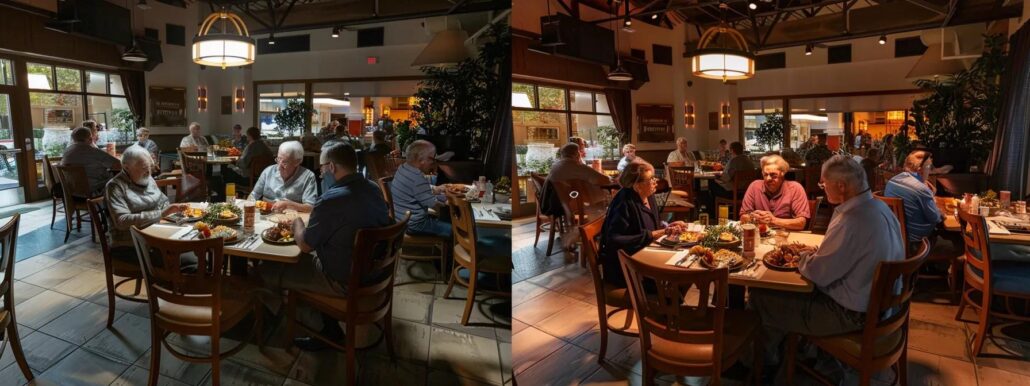
Nutritious dining is a cornerstone of quality care in assisted living facilities. Emphasis is placed on providing meals that fulfill dietary requirements while also pleasing the palate. With a focus on balanced nutrition, these communities offer chef-prepared meals that consider chronic conditions, dietary restrictions, and personal taste preferences. Healthy eating is crucial for seniors to maintain energy, support physical therapy goals, and manage common ailments like diabetes or hypertension. Besides health benefits, dining in a communal setting also encourages social interaction, making mealtime a highlight of the day. Innovative meal planning not only ensures that residents are well-nourished but also that they enjoy a variety of culinary experiences—from restaurant style dining to casual snack options.
Chef Prepared Meals Meeting Dietary Needs
Chef prepared meals in assisted living communities are designed by nutrition experts to meet the specific dietary needs of older adults. These meals are crafted with fresh, wholesome ingredients that cater to a range of nutritional requirements including low-sodium, diabetic-friendly, and heart-healthy options. Professional culinary teams work in tandem with dieticians to create balanced menus that are rich in vitamins, minerals, and antioxidants while ensuring that portions are appropriate for seniors. Meals are not only nutritious but also appealing in presentation and taste, thereby increasing the likelihood of proper nutrient intake. By taking the guesswork out of dietary planning, these facilities help manage chronic conditions and support overall health—the foundation for better physical therapy outcomes and improved metabolism.
Restaurant Style Dining Experiences
Restaurant style dining experiences are a key aspect of the diverse dining options in assisted living communities. These experiences bring a sense of special occasion into daily life by offering elegantly set tables, curated menus, and attentive service. The transition from the urge to simply eat to enjoying a full-service dining experience fosters a vibrant social atmosphere. Residents are able to savor gourmet meals prepared with high-quality ingredients, all while enjoying the ambiance reminiscent of a favorite restaurant. This style of dining reinforces the idea that seniors deserve the same quality and enjoyment in their meals as anyone else, contributing to positive mental and emotional health. It also stimulates the senses and encourages social interaction, thus supporting both nutrition and overall well being.
Social Mealtimes Encouraging Connection
Social mealtimes in assisted living facilities are structured to foster both nutrition and camaraderie. These communal dining experiences provide designated times for residents to gather and share meals together. The benefits extend beyond just eating—a shared meal creates an opportunity for conversation, laughter, and the building of lasting relationships. Structured seating arrangements and themed dinner nights further enhance the social aspect by encouraging residents to engage with different members of the community. Research indicates that social interactions during meals significantly decrease feelings of isolation and even improve digestive health by reducing stress levels. As a result, social mealtimes represent a holistic health strategy that supports both body and mind, making every meal a delightful and nourishing experience.
Hydration and Snack Availability
Proper hydration and easy access to healthy snacks are essential components of nutritious dining options in assisted living communities. Facilities ensure that water stations, herbal teas, and nutrient-rich snacks are available throughout the day. This continuous availability supports fluid balance, which is critical for cognitive function, physical performance, and overall health. Additionally, light snacks such as fruits, nuts, and yogurt are provided between main meals to maintain steady energy levels and prevent blood sugar fluctuations. This attentive approach to hydration and snacking is complemented by the guidance of nutrition experts who design menus that cater to individual health requirements. Consequently, you can expect a dining experience that is as supportive of your body’s nutritional needs as it is of your social and emotional well being.
Access to Health and Wellness Programs
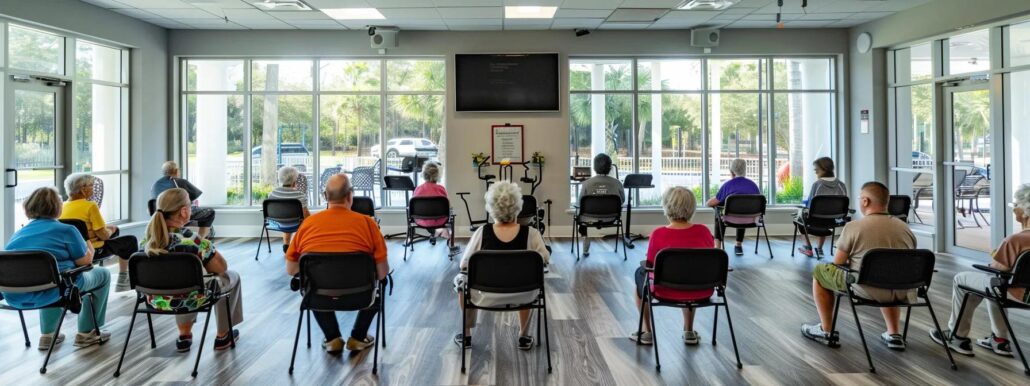
Assisted living communities place a strong focus on health and wellness programs, integrating both physical and mental health services into daily life. These programs are designed to help you maintain or improve your current health status through a variety of structured activities and on-site medical services. From fitness classes adapted for seniors to wellness workshops that focus on stress management and mindfulness, the offerings aim to address all aspects of health. Additionally, many communities provide routine health screenings, on-site medical consultations, and coordination with your primary care provider. This comprehensive approach not only ensures timely attention to medical issues but also promotes preventive care, which is crucial as you age. Integrating therapy sessions, nutritional counseling, and even cognitive fitness exercises further enriches the overall wellness strategy within these settings.
Fitness Classes Adapted for Seniors
Fitness classes in assisted living facilities are specially adapted for seniors, ensuring that every exercise is safe yet effective. These classes often include low-impact aerobics, yoga, tai chi, and strength training designed to maintain mobility, improve balance, and enhance overall strength. With professional instructors who understand the unique needs of an aging population, the classes emphasize proper technique to prevent injuries and to promote steady progress in fitness levels. The sessions are structured to cater to varying levels of ability, allowing for modifications that suit each resident’s personal health profile. Regular participation in these fitness classes has been linked to improved cardiovascular health, increased muscle strength, and even cognitive benefits as physical activity stimulates the brain. Such programs are not only about physical fitness but also offer a social environment that encourages participation and accountability.
Wellness Activities Promoting Physical Health
Wellness activities in assisted living communities are designed to promote overall physical well being. These activities encompass a diverse range of programs including guided walks, stretching sessions, meditation groups, and water aerobics. By integrating these activities into daily schedules, facilities ensure that residents can maintain an active lifestyle regardless of their physical limitations. The focus is on enhancing flexibility, reducing muscle stiffness, and managing conditions like arthritis or chronic pain. Regular participation in these wellness activities has also shown to improve mental clarity and boost mood, thanks to the release of endorphins during exercise. In addition to physical benefits, these programs encourage a routine that supports better sleep patterns and increased energy levels. Facilities often tailor these activities based on resident feedback, ensuring continued engagement and improvement in overall health metrics.
On Site Medical Services or Coordination
On-site medical services in assisted living communities provide immediate access to health care, enhancing safety and peace of mind. Many facilities have visiting physicians, nurses, or even specialized care teams that are available for routine check-ups and urgent care. This close coordination with healthcare professionals ensures that any medical issue is identified and managed early. Additionally, partnerships with local hospitals and clinics facilitate seamless referrals when more comprehensive treatment is required. As part of these services, residents benefit from regular screenings, medication reviews, and personal health assessments. The integration of on-site medical care with overall wellness programs creates a holistic system that supports your health continuously, reducing the need for external appointments and providing swift access to critical care when necessary.
Support for Mental and Emotional Well Being
Support for mental and emotional well being is an integral component of health programs in assisted living. With the increasing awareness of the link between mental health and physical well being, these communities now offer counseling services, group therapy sessions, and stress management workshops. The presence of mental health professionals on staff means that residents can access personal therapy and participate in activities designed to lower anxiety and depression. Support groups, mindfulness classes, and creative arts therapy provide channels for expression and emotional relief. Regular social interactions during these sessions foster a sense of belonging and reduce feelings of isolation. These varied approaches ensure that mental health is given the same attention as physical health, enabling a more balanced and fulfilling lifestyle for all residents.
Convenient Transportation Services for Outings and Appointments
Transportation services in assisted living communities provide residents with both convenience and independence. Organized transportation for outings, medical appointments, and errand runs ensures that you never feel isolated from the community or the broader world. These services range from scheduled group trips to on-demand rides coordinated by facility staff. Reliable and comfortable transportation not only reduces the burden of driving but also promotes participation in community events. Moreover, transportation services are designed to cater to various mobility needs, ensuring accessibility for all residents. By removing the barrier of personal driving, these services facilitate greater social engagement and timely medical care, further enhancing overall quality of life. This system supports your freedom while ensuring that every outing is conducted safely and comfortably.
Scheduled Group Transportation for Errands
Scheduled group transportation services are organized to help residents attend to everyday errands and appointments without the hassles of navigating public transportation or arranging personal rides. These group trips are typically managed by the facility’s dedicated transportation team, ensuring that every journey is planned with safety and convenience in mind. Whether you need to go shopping, visit a doctor, or attend a social event, the organized schedule allows you to plan your day without stress. Group transportation also offers the added benefit of social interaction, as you travel alongside neighbors who share similar interests. The timeliness and reliability of these services are consistently demonstrated by positive feedback from residents, who appreciate the ease with which they can remain engaged with the outside world.
Assistance With Arranging Medical Transportation
Assistance with arranging medical transportation is a critical service provided in assisted living. When you require transportation to specialized medical facilities or urgent care, dedicated staff help coordinate these trips. This service covers all aspects—from scheduling appointments to ensuring that the ride is equipped to handle any special needs. Reliable medical transportation is particularly valuable for those with mobility challenges or chronic conditions that necessitate frequent doctor visits. By having expert guidance on arranging such rides, you can minimize delays and complications, ensuring that your health care needs are met promptly. Such coordinated efforts not only improve your medical outcomes but also provide peace of mind knowing that every detail of the transport is managed professionally.
Easy Access to Community Events and Attractions
Easy access to community events and local attractions is a major advantage of assisted living. Transportation services are not just limited to clinical appointments—they extend to cultural outings, recreational activities, and social gatherings. With scheduled trips to theaters, museums, parks, and even shopping centers, you can conveniently participate in diverse experiences that enrich your social life. These opportunities help connect you with broader community events and allow for regular outings that are both fun and stimulating. Enhanced mobility through efficient transportation ensures that you remain socially active and mentally engaged, leading to improved cognitive function and a more enjoyable lifestyle. The seamless integration of such services underlines the commitment of assisted living facilities to provide a comprehensive care experience.
Reduced Reliance on Personal Driving
Reduced reliance on personal driving is another important benefit of provided transportation in assisted living communities. As driving can become risky or burdensome with age, having a reliable alternative ensures mobility without the stress and risks associated with operating a vehicle. Professional drivers who are familiar with elder care protocols ensure that the journey remains safe and comfortable. Furthermore, the convenience of scheduled rides relieves you from the responsibilities and anxiety related to traffic, navigation, or vehicle maintenance. This service allows you to maintain an active lifestyle, participate in social events, and access essential services without the need to drive yourself. Ultimately, this enhances overall safety and freedom in your daily life.
Intellectual Stimulation and Lifelong Learning Opportunities
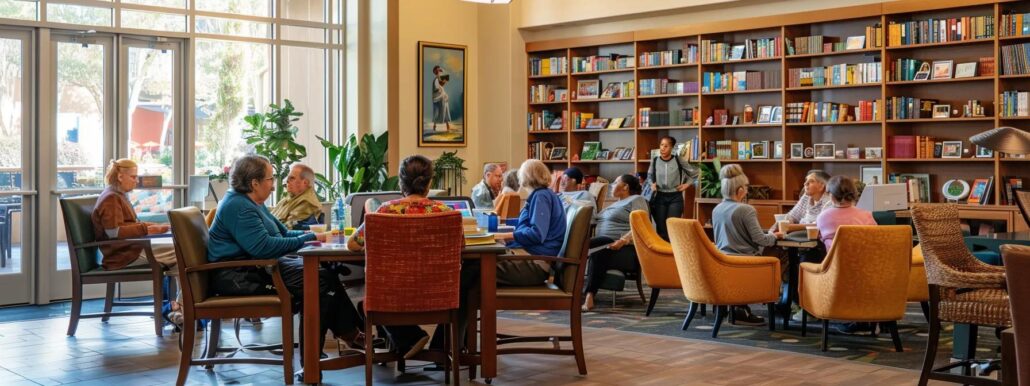
Assisted living communities actively encourage intellectual stimulation and lifelong learning to keep residents mentally engaged. Access to libraries, educational workshops, and guest speakers creates an environment where learning is both continuous and enjoyable. These activities are carefully curated to match varied interests and cognitive levels. Regular intellectual stimulation not only strengthens memory and problem-solving skills but also delays cognitive decline. By promoting brain fitness activities such as puzzles, discussion groups, and technology classes, these communities foster an ongoing love of learning that enriches your daily routine. Such programs are supported by research that underscores the significance of mental challenges in sustaining cognitive health among older adults. Through interactive sessions and supportive learning environments, assisted living facilities empower you to explore new interests and enhance your intellectual capacities.
Access to Libraries and Reading Materials
Access to libraries and diverse reading materials within assisted living communities offers an excellent opportunity for ongoing intellectual growth. These facilities often house well-stocked libraries that include a variety of genres, from classical literature and non-fiction to current bestsellers and digital resources. The availability of reading materials promotes regular mental engagement, boosts vocabulary, and enhances cognitive function. Organized book clubs and reading groups also foster lively discussions and shared learning experiences among residents. This environment not only supports academic pursuits but also encourages cultural enrichment and personal development. Furthermore, many facilities provide resources that are accessible to people with visual impairments or learning disabilities, making the joy of reading inclusive for all.
Educational Workshops and Guest Speakers
Educational workshops and guest speaker sessions in assisted living communities provide a rich source of knowledge and inspiration. These events cover a wide range of topics—ranging from health and wellness tips to creative arts and technology courses—designed to engage residents and stimulate new interests. Expert speakers share insights that are both practical and motivational, allowing you to apply new knowledge to your everyday life. Such sessions not only enhance cognitive abilities but also empower you to make informed decisions about your health and lifestyle. In addition, these educational events serve as platforms for discussion, enabling residents to exchange ideas and build a supportive network. By consistently offering fresh content and interactive sessions, the community ensures that learning remains a daily pleasure.
Brain Fitness Activities and Games
Brain fitness activities and games form a critical part of preserving mental acuity in assisted living environments. Specialized programs include puzzles, memory games, and strategy sessions that are designed to challenge the brain and support cognitive health. These activities cater to all levels of ability, ensuring that everyone from beginners to advanced participants can enjoy mental stimulation. Research indicates that regular engagement with puzzles and cognitive games can significantly slow the progression of dementia and improve overall memory retention. Additionally, these activities provide an enjoyable way to connect socially, as group challenges often foster teamwork and friendly competition. The consistent practice of brain fitness routines has been linked to enhanced concentration, faster cognitive processing, and a better quality of life.
Opportunities to Pursue New Interests
Opportunities to pursue new interests are abundant in a vibrant assisted living community where lifelong learning is cherished. With the encouragement to take up unexpected hobbies, residents often discover talents and passions that enrich their daily lives. The community provides resources and classes that are accessible regardless of prior experience, making it easier to try something new without the fear of failure. This not only boosts self-confidence but also fosters a spirit of adventure and continuous personal growth. Engaging in new interests stimulates the mind, contributes to higher self-esteem, and creates a dynamic environment that transitions seamlessly with the evolving needs of aging residents.
Support for Families and Caregivers
Assisted living communities not only care for residents but also extend significant support to their families and caregivers. Knowing that your loved ones are in a nurturing, well-organized environment provides immense relief to families who may have been managing care on their own. Professional caregiver support lessens the burden and stress of constant caregiving, allowing families to spend meaningful time with their elders without being overwhelmed by daily technicalities. Facilities offer structured communication channels where families can receive regular updates on the well being of their loved ones. This transparency and reliability build trust and peace of mind, ensuring that families remain involved in the care process while benefiting from professional oversight. Support groups, workshops, and counseling services are also available to help family members navigate the emotional complexities of caregiving, making assisted living a comprehensive solution for senior care.
Relief From Primary Caregiving Responsibilities
One of the most valued aspects of choosing an assisted living facility is the relief it offers from primary caregiving responsibilities. When family members take on full-time caregiving roles, they often face physical and emotional burnout. Assisted living facilities alleviate this burden by providing professional care around the clock, ensuring that your loved one’s needs are met without requiring you to manage every detail. This arrangement allows families to resume their personal and professional lives while still staying connected and involved through scheduled family visits and regular communication with staff. It creates a balanced system where the resident’s health is prioritized, and families no longer need to worry about the day-to-day logistics of care.
Assurance of Professional Care for Loved Ones
Assurance of professional care is a major comfort for families transitioning a loved one into assisted living. Every resident is supported by a trained team that is dedicated to managing health, medication, and daily activities. This professional care ensures that your family member receives a high standard of care, reducing the risks associated with inadequate or inconsistent care. The staff’s expertise in managing complex health conditions and thoughtful communication with families builds confidence, allowing you to trust that your loved one is in capable hands. With protocols in place to handle emergencies, medical updates, and specialized needs, this assurance transforms worry into trust and allows family members to focus on emotional support and quality time.
Open Communication With Staff Regarding Resident Care
Open communication with the care team is essential in an assisted living setting. Facilities establish structured channels—such as regular family meetings, digital updates, and open-door policies—to ensure that caregivers, medical staff, and family members remain in constant contact. This transparency helps in making informed decisions regarding any changes in care needs. Furthermore, it builds trust and comfort among family members, who feel more involved in the care process. With scheduled updates and direct access to caregivers, concerns can be addressed promptly, making adjustments to care plans as necessary. This expedites problem resolution and fosters a collaborative environment focused on the resident’s well being.
Family Involvement in Community Activities
Family involvement in community activities is actively encouraged in assisted living communities. Residents’ social engagement is further enriched when families participate in events and celebratory gatherings. Special family days, holiday events, and cultural programs create a warm, inclusive atmosphere that extends caregiving beyond the facility staff. This involvement helps maintain strong family bonds and allows relatives to see firsthand how your loved one benefits from the supportive environment. Such participation not only enhances the resident’s social life but also reassures family members about the quality of care provided. It creates a harmonious balance where professional support and familial love work hand in hand.
Enhanced Quality of Life and Overall Well Being
Enhanced quality of life in assisted living communities is achieved through a combination of personalized care, social interaction, and support services. The structured environment offers residents the comfort of routine, professional oversight, and opportunities for personal growth. These factors work synergistically to reduce stress, promote independence, and improve overall physical and mental health. With access to tailored services—from nutritious meals and fitness programs to secure environments and intellectual stimulation—you experience a holistic approach to senior living that caters to every aspect of well being. Additionally, social and emotional support, coupled with open communication among care staff and family members, creates an atmosphere of respect and dignity. This comprehensive care model is designed not just to prolong life, but to significantly improve the quality of each moment.

Focus on Independence With Available Support
Assisted living communities are structured to support your independence while providing necessary assistance. This balance is crucial because it allows you to maintain a sense of control over your life. Professional caregivers help with activities when needed, yet residents are encouraged to take on tasks independently where possible. This approach reinforces confidence, extends autonomy, and contributes to better mental health. By giving you the freedom to make decisions about your daily routines and engage in social activities, the environment nurtures a feeling of self-worth and personal agency. Consistent support paired with independence plays a critical role in overall life satisfaction, making the transition to assisted living a positive and empowering experience.
A Respectful and Dignified Living Atmosphere
The respectful and dignified atmosphere in assisted living communities is cultivated through thoughtful care practices and a person-centered approach. Every effort is made to honor your personal history, preferences, and cultural values. Staff are trained to engage with empathy and respect, ensuring that you feel valued as an individual. The physical environment is designed to radiate warmth and sophistication, with attention to detail that underscores quality. From personalized room decor to culturally sensitive programming, every aspect of life is geared towards creating a home-like and respectful environment. This respect extends to decision-making autonomy and the privacy of each resident, fostering an environment where dignity is paramount—a cornerstone in enhancing overall well being.
Opportunities for Personal Growth and Fulfillment
Opportunities for personal growth and fulfillment are intrinsic to a quality assisted living experience. Through continuous learning, social engagement, creative arts programs, and tailored wellness initiatives, residents are encouraged to explore new interests and revisit old passions. Whether it’s through taking up a new hobby, joining a community group, or attending classes that stimulate the mind, these opportunities ignite a sense of purpose and joy. The supportive framework of the community ensures that every opportunity is accessible and rewarding. Over time, these experiences contribute to higher self-esteem, improved mental agility, and a richer, more fulfilling life. This dynamic environment not only nourishes the mind but also inspires a proactive approach to personal well being and growth.
A Comforting Setting for Aging Gracefully
A comforting setting for aging gracefully is achieved through an environment that offers safety, dignity, and consistent care. Assisted living communities are designed to be havens where the challenges of aging are met with thoughtful solutions—both practical and emotional. The reassuring presence of professional caregivers, state-of-the-art facilities, and an emphasis on community create a space where every day feels secure and valued. Here, aging is not seen as a limitation but as an opportunity to embrace a new chapter with joy and confidence. This approach transforms the aging process into one of graceful acceptance and active participation in life’s daily pleasures, ensuring that each moment is as fulfilling as possible.
Frequently Asked Questions
Q: How do assisted living facilities support independence while providing care?
A: Assisted living communities offer personalized care plans that help you manage daily living activities while encouraging independence. With services such as round the clock support, medication management, and tailored assistance with daily tasks, you receive the help you need without giving up your autonomy.
Q: What safety features can I expect in an assisted living community?
A: Safety features include non-slip flooring, handrails in bathrooms and corridors, secure entrances with surveillance systems, emergency pull cords in every room, and comprehensive emergency response systems. These adaptations are specifically designed to reduce the risk of falls and accidents among seniors.
Q: How do communal dining and social mealtimes enhance the resident experience?
A: Communal dining fosters social interaction by bringing residents together for shared meals. This environment encourages conversation, reduces feelings of isolation, and promotes better nutrition through chef-prepared meals that meet your dietary needs. Social mealtimes also enhance overall mental and emotional well being.
Q: What types of fitness and wellness programs are available in these communities?
A: Assisted living communities typically offer a range of fitness classes adapted for seniors, including yoga, tai chi, and strength training. Additionally, wellness activities such as meditation, group walks, and on-site medical screenings help maintain physical health and mental clarity while reducing stress.
Q: How do assisted living communities support families and caregivers?
A: Families benefit from open communication channels, regular care updates, and structured visitation programs. The relief from primary caregiving responsibilities allows family members to focus on quality time and emotional support, all while being assured that professional care is continuously provided.
Q: Can assisted living communities accommodate special dietary needs?
A: Yes, these facilities offer chef-prepared meals that are tailored to meet various dietary requirements—including low-sodium, diabetic-friendly, and heart-healthy options—ensuring that each resident’s nutritional needs are met while also providing a delightful dining experience.
Q: How are intellectual and social activities integrated into daily life?
A: Intellectual stimulation is provided through access to libraries, group educational workshops, guest speaker events, and brain fitness activities. Social events, including planned outings and communal gatherings, ensure that residents maintain active, engaging, and fulfilling lives.
Final Thoughts
Assisted living facilities offer a blend of personalized care, social engagement, and comprehensive wellness programs that collectively enhance your quality of life. With robust safety features, maintenance free living, and nutritious dining options, these communities support both your independence and well being. Open communication and family involvement ensure that care is holistic, making every day fulfilling and stress free. If you are exploring senior care options, assisted living stands out as a well-rounded, supportive choice for aging gracefully.
Find Assisted Living Near Me
Age Well Now simplifies your search by connecting you with high-quality communities that prioritize comfort, care, and independence. Whether you’re exploring care for yourself or a loved one, our platform offers personalized guidance, expert resources, and up-to-date information to help you make confident decisions. Discover nearby assisted living facilities tailored to your needs—because aging well starts with the right support.